
Tag: personal loan rates

  • Personal Loans for Major Life Expenses: A Smart Guide

    Personal Loans for Major Life Expenses: A Smart Guide

    Americans borrowed over $241 billion through personal loans in 2025 — here’s how to use that money wisely for life’s biggest financial moments.

    When Life Gets Expensive: The Case for Personal Loans

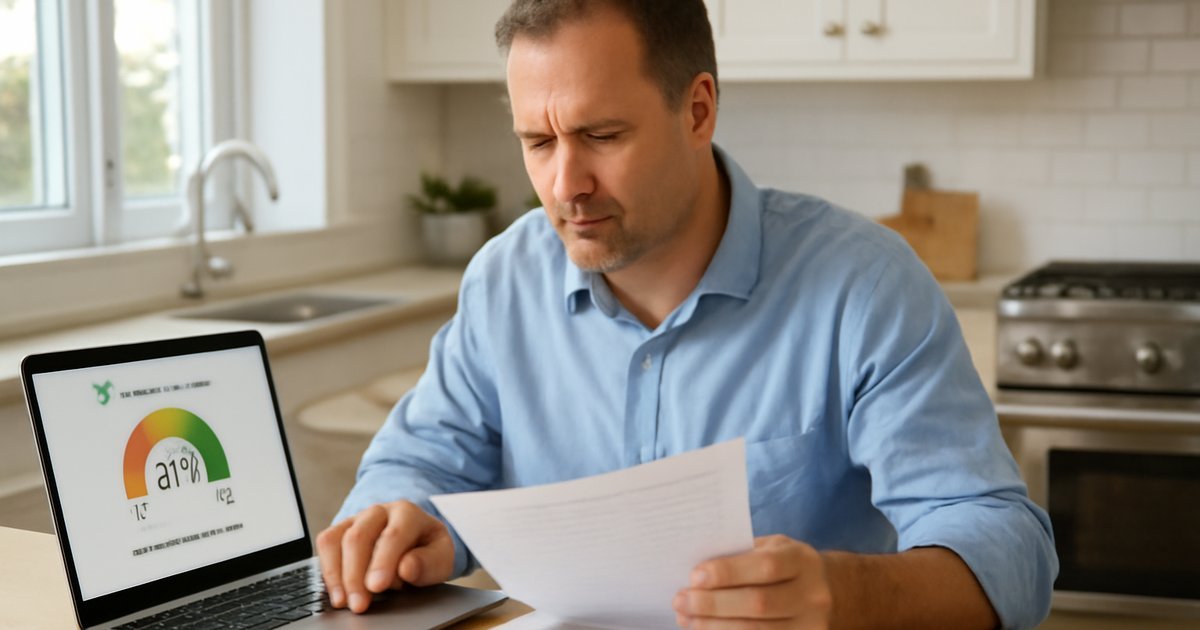
    Picture this: You’re 42, your furnace dies in January, your oldest child is starting college, and your roof needs replacing — all in the same year. You don’t have $30,000 sitting in savings, but you have solid income and decent credit. What do you do?

    For millions of Americans, a personal loan is the bridge between a financial emergency and a manageable monthly payment. According to the Federal Reserve’s 2025 Consumer Credit report, personal loan balances have grown steadily as households navigate rising costs across nearly every major life category.

    But not all personal loans are created equal, and not every situation calls for one. In this guide, you’ll learn exactly when a personal loan makes financial sense for a major life expense, how to qualify for the best rates, and — just as importantly — when you should walk away and choose a different path.

    Whether you’re funding a move across the country, covering an adoption, handling a funeral, or consolidating expenses from a major career change, this guide gives you the full picture.


    What Is a Personal Loan and How Does It Work?

    A personal loan is an unsecured installment loan — meaning you don’t need to put up collateral like your home or car to borrow the money. You apply, get approved for a fixed amount, receive the funds (usually within one to five business days), and repay the loan in equal monthly installments over a set term, typically 12 to 84 months.

    The interest rate is usually fixed, so your monthly payment never changes. This predictability is one of the biggest advantages over credit cards, which carry variable rates and open-ended balances that can spiral quickly.

    Personal loan amounts generally range from $1,000 to $100,000, depending on the lender and your credit profile. As of mid-2026, the average personal loan interest rate for borrowers with good credit (scores 690–719) sits around 14–18% APR, according to Bankrate. Borrowers with excellent credit (740+) often qualify for rates between 8–13% APR.

    Most personal loans are funded by:

    • Traditional banks (Chase, Wells Fargo, U.S. Bank)
    • Credit unions (often lower rates for members)
    • Online lenders (LightStream, SoFi, Discover, Upstart)

    The key distinction from a credit card: you borrow a fixed amount, pay it off on a schedule, and the account closes. No revolving balance, no temptation to keep spending.


    Major Life Expenses Where Personal Loans Make Sense

    According to the Bureau of Labor Statistics, the average American household spends over $63,000 per year — and that number doesn’t account for the irregular, large expenses that hit without warning. Here’s where personal loans genuinely earn their place in a financial plan.

    1. Relocation and Moving Costs

    Moving across state lines can cost between $4,000 and $10,000 or more for a family, according to the American Moving and Storage Association. If you’re relocating for a new job or lower cost of living, a personal loan can bridge the gap between your current savings and your moving costs — especially if your new paycheck starts after the move.

    2. Adoption Expenses

    Domestic adoption can cost $20,000 to $45,000. International adoption often exceeds $50,000. The federal adoption tax credit (up to $16,810 for tax year 2026, per IRS guidelines) helps offset costs, but it doesn’t arrive until you file taxes. A personal loan can cover upfront agency fees, legal costs, and travel expenses while you wait for the tax credit to land.

    3. Funeral and End-of-Life Expenses

    The National Funeral Directors Association reported that the median cost of a funeral with viewing and burial exceeded $8,300. Grief doesn’t wait for payday, and many families find themselves needing funds quickly. A personal loan — especially from an online lender who can fund within 24-48 hours — can prevent families from being exploited by predatory funeral financing or high-interest credit options.

    4. Career Investment and Retraining

    Whether you’re paying for a professional certification, a coding bootcamp, or licensing fees for a new career, investing in your earning power can have a measurable ROI. Unlike student loans, personal loans have no restrictions on how you use the funds. If a $6,000 data analytics course translates to a $20,000 salary bump, that math works in your favor.

    5. Major Appliance or Emergency Home Repair

    HVAC systems, water heaters, and electrical panels don’t negotiate timelines. Emergency home repairs that aren’t substantial enough for a HELOC — but too large for your emergency fund — are a reasonable use case for a personal loan. For larger renovation projects, you may want to explore a structured loan option that fits your credit profile.


    How to Qualify and Get the Best Rate: Step-by-Step

    Getting approved is one thing. Getting a rate that doesn’t wreck your budget is another. Here’s how to approach it strategically.

    1. Check your credit score first. Pull your free reports at AnnualCreditReport.com. Dispute any errors before applying — even one incorrect derogatory mark can cost you 2-3 percentage points on your rate.
    2. Calculate your debt-to-income ratio (DTI). Most lenders want your total monthly debt payments (including the new loan) to be under 40% of your gross monthly income. If you’re above that, paying down a small balance first can shift the math.
    3. Pre-qualify with multiple lenders. Pre-qualification uses a soft credit pull, meaning it won’t affect your score. Compare APRs, origination fees, and repayment terms from at least three lenders before formally applying.
    4. Choose the shortest term you can afford. A 36-month term at 12% APR costs dramatically less in total interest than a 60-month term at the same rate. Run the numbers both ways before signing.
    5. Apply and provide documentation. Most lenders require proof of income (pay stubs, W-2s, or tax returns if self-employed), proof of identity, and bank account details for fund transfer.
    6. Review the loan agreement carefully. Look for prepayment penalties, origination fees (typically 1%–8% of the loan amount), and late payment fees before accepting any offer.

    If you’re working on rebuilding your credit profile before applying for a larger loan, it’s worth reviewing strategies for building credit through responsible card use as a parallel step.


    Costs, Fees, and Real Risks You Need to Know

    Personal loans can be a smart financial tool — but they’re not free, and they’re not risk-free. The CFPB has consistently flagged personal loan borrowers as a population vulnerable to fee structures that aren’t clearly disclosed upfront. Here’s what to watch for.

    Origination Fees

    Many lenders charge 1% to 8% of the loan amount as an origination fee, deducted from the funds you receive. If you borrow $15,000 with a 5% origination fee, you receive $14,250 — but you owe $15,000. Factor this into how much you actually need to borrow.

    APR vs. Interest Rate

    The APR (Annual Percentage Rate) includes both the interest rate and any fees. Always compare APRs across lenders — not just advertised interest rates. A lender offering 10% interest with a 6% origination fee can cost more than a lender offering 13% interest with no fees, depending on the term.

    Prepayment Penalties

    Some lenders charge a fee if you pay off your loan early. If you plan to pay aggressively, choose a lender with no prepayment penalty — this is increasingly common among online lenders.

    Impact on Your Credit

    Taking out a personal loan will temporarily lower your credit score due to the hard inquiry and new account opening. Over time, consistent on-time payments can actually improve your score — but missing even one payment can cause significant damage.

    The Debt Trap Risk

    Taking out a personal loan to fund a discretionary expense — a vacation, luxury purchase, or non-essential upgrade — is a common financial mistake. If the expense doesn’t generate value or reduce another financial burden, you’re adding debt without a return.


    Common Mistakes to Avoid

    Mistake 1: Borrowing More Than You Need

    It’s tempting to borrow the maximum you’re approved for — but every dollar you borrow costs you interest. Borrow exactly what you need for the expense, not what sounds comfortable. A $20,000 loan at 15% APR over 48 months costs you nearly $6,700 in interest alone.

    Mistake 2: Ignoring the Total Cost of the Loan

    Monthly payment comparisons can be deceiving. A $300/month payment sounds manageable, but if the loan runs 84 months, you may pay far more in interest than the original expense was worth. Always calculate the total repayment amount — principal plus all interest — before signing.

    Mistake 3: Applying to Too Many Lenders at Once

    Each formal application triggers a hard credit inquiry. Multiple hard inquiries in a short window can lower your score. Use pre-qualification tools first, then formally apply only to your top one or two choices. Credit bureaus do allow a short rate-shopping window (typically 14–45 days) where multiple loan inquiries count as one — but don’t stretch it out over months.

    Mistake 4: Using a Personal Loan to Fund an Emergency Fund

    A personal loan is debt — not savings. Using borrowed money as a financial cushion only delays financial stability and adds a monthly payment obligation. The better path is building a true emergency fund of three to six months of expenses in a high-yield savings account before taking on new debt.

    Mistake 5: Not Reading the Fine Print on Repayment Flexibility

    Some lenders don’t offer hardship programs or payment deferral options. If your income is variable or you’re in a transitional period, choose a lender that has transparent hardship policies in writing before you borrow.


    Alternatives to Consider Before Signing

    A personal loan isn’t always the best move. Depending on your situation, one of these alternatives might cost you less or preserve more flexibility.

    0% APR Credit Card (for smaller amounts)

    Best for: Expenses under $10,000 that you can pay off within 12–21 months.
    Pro: No interest if you pay within the promotional period.
    Con: Requires excellent credit; rate jumps significantly after the promo period ends. If you carry a balance past the promotional window, you could face 28%+ APR retroactively on some cards.

    Home Equity Loan (for homeowners with equity)

    Best for: Larger expenses ($20,000+) where you have substantial home equity and want a lower rate.
    Pro: Rates are typically lower than personal loans (often 7–10% APR in 2026).
    Con: Your home is collateral. Defaulting means foreclosure risk. Also involves closing costs and a longer approval process.

    Credit Union Loans

    Best for: Borrowers who are already members of a credit union or can join one.
    Pro: Credit unions are member-owned nonprofits and typically offer lower rates and more flexible approval criteria than banks.
    Con: You must qualify for membership, and loan amounts may be more limited.

    If you’re managing multiple financial goals at once — including insurance, investing, and debt — it may help to look at your full financial picture. Resources like our guide on retirement account strategy can help ensure your borrowing decisions don’t derail long-term goals.


    Frequently Asked Questions

    Can I use a personal loan for any major expense?

    Generally speaking, yes — personal loans are among the most flexible loan products available. Lenders rarely restrict use. However, some lenders explicitly prohibit using funds for post-secondary education (use student loans instead) or illegal activities. Always check your loan agreement for any restrictions.

    How fast can I get funded after approval?

    Online lenders often fund within one to three business days after final approval. Some, like LightStream and SoFi, advertise same-day or next-day funding in certain cases. Traditional banks may take five to seven business days.

    Will a personal loan hurt my credit score?

    In the short term, yes — the hard inquiry and new account opening typically drop your score 5–10 points temporarily. Over time, consistent on-time payments can actually boost your score by improving your payment history and diversifying your credit mix. Missing payments, however, causes significantly more damage.

    What credit score do I need to get a good personal loan rate?

    In most cases, a FICO score of 700 or higher qualifies you for competitive rates. Scores above 740 generally unlock the best APRs. Borrowers with scores below 670 may still qualify with some lenders, but typically face higher rates and lower loan limits. If your score needs work, it may be worth waiting a few months and improving it before applying.

    Is a personal loan better than using retirement savings?

    In most cases, yes — withdrawing from a 401(k) or IRA before age 59½ triggers income taxes plus a 10% early withdrawal penalty from the IRS. Depending on your tax bracket, you could lose 30%–40% of the withdrawal amount to taxes and penalties. A personal loan at 14% APR is often far less costly than a 401(k) early withdrawal. Consult a CPA to run the numbers for your specific situation.


    The Bottom Line: Borrow with a Plan, Not a Hope

    A personal loan for a major life expense can be a genuinely smart financial move — when it’s used for the right reason, at the right rate, with a clear repayment plan. The borrowers who come out ahead are the ones who compare multiple offers, borrow only what they need, and treat the monthly payment as a non-negotiable line item in their budget.

    Where borrowers get into trouble is when the loan is treated as free money — a way to smooth over a problem without dealing with the underlying financial reality. Before you sign, ask yourself: Does this expense create value, relieve a genuine burden, or prevent a bigger financial problem? If the answer is yes, a personal loan can be the right bridge. If the answer is “I just want it now,” pause and reconsider.

    Your next step: Use at least three pre-qualification tools this week — they won’t hurt your credit — and compare real APRs side by side. Then make your decision with clear numbers, not marketing copy.

    Financial Disclaimer: This article is for educational purposes only and does not constitute financial, tax, or investment advice. Always consult a licensed financial advisor, CPA, or attorney before making financial decisions.

  • Personal Loans for Weddings: Is It Worth It in 2026?

    Personal Loans for Weddings: Is It Worth It in 2026?

    Introduction

    The average American wedding now costs over $35,000 — and personal loans are becoming one of the most popular ways to fund it.

    According to The Knot’s 2025 Real Weddings Study, the average US couple spent approximately $35,000 on their wedding — a figure that doesn’t include the honeymoon. For many Americans, that’s more than a full year’s savings. It’s no surprise that a growing number of couples are turning to personal loans to bridge the gap between their dream wedding and their actual bank balance.

    But is taking out a personal loan for a wedding a smart financial move — or a costly mistake that starts your marriage in debt? In this guide, you’ll learn exactly how wedding loans work, what interest rates and terms to expect, how to qualify, and whether there are smarter alternatives for your situation. If you’re planning a wedding and need to finance part of it, this article will give you a clear, honest picture before you sign anything.

    Let’s start with the basics.

    What Is a Wedding Personal Loan and How Does It Work?

    A personal loan for a wedding — sometimes called a “wedding loan” — is simply an unsecured personal loan used to cover wedding-related expenses. There’s nothing special about the loan product itself; it’s the same type of personal loan you’d use for debt consolidation or home repairs.

    Here’s how it works in plain terms:

    • You apply through a bank, credit union, or online lender.
    • If approved, you receive a lump sum deposited into your bank account.
    • You repay the loan in fixed monthly installments over a set term — typically 12 to 84 months.
    • Interest rates are fixed in most cases, meaning your payment stays the same throughout the loan.

    Because most wedding loans are unsecured, you don’t put up any collateral like your home or car. Your approval and interest rate depend primarily on your credit score, income, and debt-to-income ratio (DTI) — which is the percentage of your gross monthly income that goes toward debt payments.

    According to the Federal Reserve’s 2025 consumer credit data, the average interest rate on a 24-month personal loan from commercial banks was approximately 12.3% APR. Borrowers with excellent credit (720+) can typically qualify for rates as low as 6% to 9%, while those with fair credit may see rates of 18% to 28% or higher.

    Wedding loans are available from a wide range of lenders including national banks like Wells Fargo and Discover, credit unions, and online platforms such as LightStream, SoFi, and Upstart.

    Key Benefits of Using a Personal Loan for Your Wedding

    Taking on debt for a wedding isn’t automatically a bad idea. In certain situations, a personal loan can be a genuinely useful financial tool. Here are the main advantages:

    1. Fixed Payments, Fixed Timeline

    Unlike credit cards, which let you carry a balance indefinitely (and charge compound interest while you do), personal loans have a defined payoff date. If you borrow $15,000 over 36 months, you know exactly when you’ll be debt-free. That structure helps couples budget responsibly after the wedding.

    2. Lower Interest Rates Than Credit Cards

    If your alternative is putting wedding expenses on a credit card, a personal loan usually wins on cost. The average credit card APR in 2025 exceeded 21%, according to the CFPB. A well-qualified borrower can secure a personal loan at 8% to 12% — potentially saving thousands in interest on a $20,000 balance.

    For example: A $20,000 balance at 21% APR on a credit card with minimum payments could take over 20 years to pay off and cost more than $30,000 in interest. The same amount at 10% APR over 36 months costs roughly $3,200 in total interest — a dramatic difference.

    3. Fast Funding

    Many online lenders fund personal loans within one to three business days. If you have a deposit due to a venue or caterer on short notice, a personal loan can move quickly when you need it.

    4. No Collateral Required

    Because wedding loans are unsecured, you’re not putting your home or savings at risk if something goes wrong. This is particularly important for younger couples who may not have significant assets yet.

    How to Get a Wedding Personal Loan: Step-by-Step

    If you’ve decided a personal loan makes sense for your wedding, here’s how to approach the process strategically:

    1. Check your credit score first. Pull your free credit reports from AnnualCreditReport.com and check your score through your bank or a free service like Credit Karma. Your score will largely determine your rate and whether you’re approved at all. Generally speaking, a score of 670 or above gives you access to competitive rates.
    2. Calculate how much you actually need. Build a detailed wedding budget before you apply. Add a 10% buffer for unexpected costs — but don’t borrow more than you need. Every extra dollar costs you interest.
    3. Pre-qualify with multiple lenders. Most online lenders offer a soft credit inquiry pre-qualification that doesn’t affect your credit score. Use this to compare APRs, loan terms, and monthly payments from at least three to five lenders before committing.
    4. Evaluate the total cost of the loan, not just the monthly payment. A longer term means lower monthly payments but more interest paid overall. Use an online loan calculator to see the full cost of borrowing at different term lengths.
    5. Submit a formal application. Once you’ve chosen a lender, submit your official application with documentation including proof of income (pay stubs or tax returns), proof of identity, and your Social Security number for a hard credit pull.
    6. Review the loan agreement carefully. Look for origination fees (typically 1% to 8% of the loan amount), prepayment penalties, and late payment fees before signing.
    7. Receive funds and pay vendors directly. After approval, funds are typically deposited within one to five business days. Pay vendors directly rather than letting cash sit in a checking account where it might get spent on other things.

    If you’re concerned about your credit score during this process, you may find it helpful to read our guide on Personal Loans for Bad Credit: How to Get Approved in 2026 for strategies to improve your approval odds.

    Costs, Fees, and Real Risks You Need to Know

    Here’s where we have to be completely honest with you: borrowing money for a wedding carries real financial risk, and it’s important to understand every cost before committing.

    Interest Costs Add Up Quickly

    On a $25,000 wedding loan at 14% APR over 48 months, your total interest paid would be approximately $8,200. That means your $25,000 wedding actually costs $33,200. Make sure you’re comfortable with that math before signing.

    Origination Fees

    Many lenders charge an origination fee — a one-time charge deducted from your loan proceeds. If you borrow $20,000 with a 5% origination fee, you receive $19,000 but owe $20,000. Factor this into your budget calculations.

    Impact on Debt-to-Income Ratio

    Adding a wedding loan to your monthly obligations raises your DTI. If you and your spouse plan to buy a home in the next one to three years, a high DTI could affect your mortgage approval or interest rate. According to the CFPB, most lenders prefer a DTI below 43% for mortgage qualification.

    Starting Marriage in Debt

    Research from Ramsey Solutions has found that money is the leading cause of marital stress in the US. Starting your marriage with $20,000 to $35,000 in debt adds pressure — something every couple should discuss openly and honestly before deciding to borrow.

    Variable Income Risk

    If either partner loses a job, has reduced hours, or faces a health emergency, fixed loan payments become harder to manage. In most cases, personal loans don’t offer the same payment flexibility as other financial instruments.

    Common Mistakes to Avoid When Financing a Wedding

    These errors are more common than you’d think — and each one can cost you significantly:

    Mistake #1: Borrowing More Than You Can Realistically Repay

    It’s easy to justify a larger loan when you’re caught up in planning excitement. A solid rule of thumb: your combined monthly loan payment should not exceed 10% of your combined monthly take-home pay. If you bring home $6,000 per month together, keep your loan payment under $600. Use a loan calculator before you apply.

    Mistake #2: Accepting the First Offer You Receive

    Lenders vary significantly on rates and terms. Accepting the first pre-qualification offer could cost you thousands over the life of the loan. Always compare at least three lenders using soft-pull pre-qualification tools before submitting a hard application. Even a 2% difference in APR on a $20,000 loan over 36 months saves you over $700.

    Mistake #3: Ignoring the Origination Fee in Your Budget

    A 5% origination fee on a $25,000 loan is $1,250 that never reaches your venue or caterer. Many borrowers discover this at closing and scramble for additional funds. Always ask about fees upfront and factor them into how much you request.

    Mistake #4: Not Having a Clear Repayment Plan

    Couples sometimes borrow for a wedding without discussing who pays how much each month after the ceremony. Have that conversation before you sign. Will both partners contribute? What happens if one goes back to school or changes jobs? Aligning on this before the loan is taken out prevents serious conflict later.

    Mistake #5: Using a Wedding Loan to Impress Others

    According to Bankrate’s 2025 survey, nearly 1 in 3 Americans who financed a wedding said they spent more than they intended due to social pressure or comparison with others. Be ruthless about separating what you genuinely want from what you feel you’re expected to provide.

    Alternatives to a Personal Loan for Wedding Costs

    A personal loan isn’t the only way to fund a wedding. Depending on your financial situation, one of these alternatives might serve you better:

    1. 0% APR Credit Card (Introductory Period)

    Pros: If you can qualify for a card with a 12- to 21-month 0% introductory APR and pay it off within that window, you pay zero interest. Some cards also offer rewards or cash back on purchases.
    Cons: After the intro period, rates typically jump to 20%+ APR. Requires strong credit (usually 700+). You need discipline to pay it off before the promotional window closes.
    Best for: Couples with excellent credit who can realistically pay off the balance within the intro period. You might also want to explore our guide on Balance Transfer Credit Cards: How to Pay Off Debt Faster for complementary strategies.

    2. Savings-First Approach (Extended Engagement)

    Pros: Zero interest, zero debt, zero financial stress entering the marriage.
    Cons: Requires delaying the wedding — potentially by one to three years depending on how much you need to save.
    Best for: Couples who are flexible on timing and prioritize starting marriage debt-free. Putting wedding savings in a high-yield savings account (currently offering around 4.5% to 5% APY at many online banks) can accelerate the timeline.

    3. Family Contributions With Clear Agreements

    Pros: Interest-free and often gift-based.
    Cons: Can create family dynamics and expectations around decision-making if boundaries aren’t set clearly.
    Best for: Families with resources and healthy communication. If family money comes with conditions attached, it may not be worth it.

    It’s also worth noting that for couples who have other financial priorities — like building an emergency fund or contributing to retirement — taking on wedding debt might mean delaying those goals. Understanding how personal loans fit into your broader financial picture is essential before committing.

    Frequently Asked Questions

    How much can I borrow with a wedding personal loan?

    Most personal loan lenders offer amounts between $1,000 and $100,000, though typical wedding loans fall in the $5,000 to $40,000 range. The amount you’re approved for depends on your income, credit score, and existing debt obligations. Lenders typically want your total monthly debt payments (including the new loan) to stay below 40% to 43% of your gross monthly income.

    Does taking a personal loan for a wedding hurt my credit score?

    Applying for a personal loan triggers a hard credit inquiry, which may temporarily lower your score by 5 to 10 points. However, making consistent on-time payments can actually improve your credit over time by adding a positive installment account to your credit history. The key risk is if you miss payments — which can significantly damage your score.

    What credit score do I need to get a good rate on a wedding loan?

    Generally speaking, a credit score of 720 or higher gives you access to the most competitive rates (often 6% to 10% APR). Scores between 670 and 719 typically qualify for rates in the 10% to 16% range. Below 670, you may still be approved but at higher rates — making the loan significantly more expensive. Some lenders specialize in borrowers with lower scores.

    Are there tax benefits to a wedding personal loan?

    No. Unlike mortgage interest or student loan interest (which can be deductible in certain situations), interest paid on a personal loan used for wedding expenses is not tax-deductible under IRS rules. The full cost of the interest is an out-of-pocket expense with no tax offset.

    Is it better to get a joint personal loan with my partner?

    Some lenders allow joint personal loan applications, which means both applicants’ incomes and credit profiles are considered. This can result in a higher approved loan amount or a better interest rate if both partners have strong credit. However, both partners are equally responsible for repayment — meaning a missed payment affects both credit profiles. Only apply jointly if both partners are fully committed to the repayment plan.

    Conclusion: Is a Wedding Loan Right for You?

    A personal loan for a wedding isn’t inherently good or bad — it’s a financial tool, and like all tools, the outcome depends on how you use it. If you have solid credit, a realistic budget, a clear repayment plan, and you’ve compared multiple lenders, a wedding loan can be a manageable way to create a meaningful celebration without depleting your emergency fund or retirement contributions.

    But if you’re borrowing the maximum you can qualify for, don’t have a repayment plan, or haven’t had an honest conversation with your partner about the financial commitment involved — that’s a risk worth pausing on.

    Your next step: use a free loan calculator to model exactly what a wedding loan would cost you at different amounts, rates, and terms. Then compare at least three lenders using soft-pull pre-qualification before submitting any hard applications. And as always, consider speaking with a licensed financial advisor who can look at your full financial picture.

    This article is for educational purposes only and does not constitute financial, tax, or investment advice. Always consult a licensed financial advisor, CPA, or attorney before making financial decisions.

  • Personal Loans for Bad Credit: How to Get Approved in 2026

    Personal Loans for Bad Credit: How to Get Approved in 2026

    Millions of Americans with credit scores below 630 still qualify for personal loans — but the terms, rates, and risks vary dramatically depending on where you look.

    Introduction

    According to Experian’s 2025 Consumer Credit Review, roughly 16% of Americans carry a FICO score below 580 — placing them in the “poor” credit category that most traditional lenders immediately reject. If you’ve been turned down by a bank or credit union because of past financial struggles, you’re not alone, and you’re not out of options.

    Bad credit personal loans exist specifically for borrowers who can’t meet the strict standards of conventional lenders. But they come with real trade-offs: higher interest rates, lower loan limits, and in some cases, predatory terms you need to watch out for.

    This guide walks you through exactly how personal loans for bad credit work in the US, what you’ll realistically qualify for, how to get the best possible terms, and the costly mistakes you need to avoid. Whether you need $1,500 for a car repair or $10,000 to consolidate high-interest debt, understanding this market before you apply can save you thousands of dollars.

    What Is a Personal Loan for Bad Credit?

    A personal loan for bad credit is an unsecured or secured installment loan offered to borrowers with FICO scores typically below 630. Unlike a credit card, you receive a lump sum upfront and repay it in fixed monthly payments over a set term — usually 12 to 60 months.

    The term “bad credit” generally refers to FICO scores in these ranges, according to myFICO:

    • Poor: 300–579
    • Fair: 580–669
    • Good: 670–739

    Most bad credit lenders target the 550–669 range. Some specialty lenders will work with scores as low as 500, though those loans come with the highest rates and fees.

    These loans are offered by online lenders, credit unions, community banks, and fintech platforms. They are generally not offered at favorable terms by major national banks like Chase or Bank of America, which typically require scores of 670 or higher.

    Who needs these loans? People dealing with medical debt, job loss, divorce, or a history of late payments — situations that damaged their credit but don’t necessarily reflect their current financial reality.

    Key Benefits of Personal Loans for Bad Credit

    Bad credit personal loans aren’t ideal products — but they do offer real advantages compared to the alternatives.

    1. Fixed payments make budgeting easier. Unlike revolving credit card debt, a personal loan locks in your payment amount from day one. If you borrow $5,000 at 24% APR over 36 months, your payment is a predictable $197/month — every month, no surprises.

    2. They can break the debt cycle. Many borrowers use bad credit personal loans to pay off payday loans or high-rate credit cards. If you’re carrying a payday loan at 400% APR, even a personal loan at 29% APR is a dramatic improvement. For a deeper look at using personal loans strategically to eliminate debt, see our guide on Balance Transfer Credit Cards: How to Pay Off Debt Faster.

    3. Credit-building opportunity. When you make on-time payments, your payment history — the single largest factor in your FICO score at 35% — improves. According to Experian, consistent on-time payments on an installment loan can raise a fair-credit score by 40–80 points over 12 months.

    4. Fast funding. Many online bad credit lenders fund loans within 1–2 business days after approval. For urgent expenses like car repairs, medical co-pays, or utility disconnection notices, this speed matters.

    5. No collateral required in most cases. Most bad credit personal loans are unsecured, meaning you don’t risk losing your car or home if something goes wrong. Secured options do exist if you want a lower rate — but most borrowers choose unsecured.

    How to Get Started: A Step-by-Step Approach

    Getting a personal loan with bad credit requires more preparation than applying with good credit. Here’s how to maximize your approval odds and minimize your cost:

    1. Check your credit score for free. Use AnnualCreditReport.com (mandated by federal law under the Fair Credit Reporting Act) to pull all three bureau reports at no cost. Know your exact score before you apply — different lenders use different bureau data.
    2. Dispute any errors on your report. The CFPB reports that 1 in 5 Americans has an error on at least one credit report. Even a single incorrect late payment can drop your score 60–80 points. Dispute errors with each bureau individually — by law, they must investigate within 30 days.
    3. Calculate your debt-to-income ratio (DTI). Lenders look at your DTI — total monthly debt payments divided by gross monthly income. Most bad credit lenders want to see DTI below 45%. If your DTI is 50% or higher, paying down even one small debt first can open more doors.
    4. Use pre-qualification tools. Most reputable online lenders (LendingClub, Upstart, Avant, OneMain Financial) offer soft-pull pre-qualification. This lets you see estimated rates and terms without any impact to your credit score. Do this with 3–5 lenders before submitting a formal application.
    5. Compare APRs — not just monthly payments. A lender showing you a low monthly payment might be stretching your loan to 60 months, which means you pay far more total interest. Always compare the total cost of the loan, not just the monthly number.
    6. Consider a co-signer or secured loan. If a trusted family member with good credit agrees to co-sign, you may qualify for significantly lower rates. Alternatively, a secured personal loan — backed by a savings account or CD — typically offers rates 5–10 percentage points lower than unsecured options.
    7. Submit your formal application. Once you’ve chosen a lender, submit your application with required documents: government-issued ID, proof of income (pay stubs, tax returns, or bank statements), and proof of address. Most online lenders complete this digitally in under 15 minutes.

    Costs, Fees, and Risks You Must Understand

    This is the section most lenders don’t emphasize enough. Personal loans for bad credit are expensive — and some are downright dangerous. Here’s what you’re actually paying:

    Interest rates: According to the Federal Reserve’s Consumer Credit data, the average personal loan APR for borrowers with poor credit ranges from 22% to 36% — with some lenders going as high as 99% APR in states that allow it. For comparison, borrowers with excellent credit pay 9–12% APR on average.

    Origination fees: Many lenders charge 1%–8% of the loan amount upfront. On a $10,000 loan, an 8% origination fee means you receive only $9,200 but repay the full $10,000 plus interest. Always calculate whether the APR quoted already includes this fee (a true APR does; a stated interest rate often does not).

    Prepayment penalties: Some lenders charge a fee if you pay off your loan early. In a best-case scenario, you’re penalized for being financially responsible. Always ask specifically whether there’s a prepayment penalty before signing.

    Late payment fees: Typically $15–$40 per late payment, or 5% of the overdue amount. A single missed payment can also trigger a credit score drop of 60–110 points, according to myFICO.

    Impact of default: If you default, the debt may be sold to a collection agency. A collection account stays on your credit report for 7 years and can drop your score by 100+ points. In some cases, lenders may pursue a civil judgment, potentially garnishing wages depending on your state’s laws.

    Before taking any bad credit personal loan, use a loan calculator to compute the total repayment amount. A $5,000 loan at 32% APR over 48 months costs you approximately $8,200 total — $3,200 in interest alone. Make sure you genuinely need the loan and have a realistic repayment plan.

    Common Mistakes to Avoid

    The bad credit loan space attracts predatory operators. These are the mistakes that cost borrowers the most:

    Mistake 1: Accepting the first offer without comparison shopping. Rates on bad credit personal loans vary enormously between lenders. Avant might offer you 28% APR while Upstart — using AI underwriting that factors in education and employment — might offer 19% for the same borrower profile. Failing to compare is the single most expensive mistake in this space. Always get at least 3 pre-qualification quotes.

    Mistake 2: Ignoring the origination fee in your cost calculation. A lender advertising “19% APR” with a 6% origination fee has an effective cost higher than a lender advertising “22% APR” with no origination fee on shorter-term loans. Always look at the total dollar amount you’ll repay — not just the stated rate.

    Mistake 3: Borrowing more than you need. Lenders may approve you for $15,000 when you only need $6,000. Taking the full approved amount feels tempting, but every extra dollar costs you more in interest and raises your DTI, making future borrowing harder. Borrow only what you need to solve the specific problem in front of you.

    Mistake 4: Falling for guaranteed approval scams. No legitimate lender can legally guarantee loan approval without reviewing your creditworthiness. The FTC warns that “guaranteed approval” or “no credit check” loan ads are frequently tied to upfront fee scams. Legitimate lenders never ask for payment before disbursing funds. Report these to the CFPB at consumerfinance.gov.

    Mistake 5: Using a bad credit personal loan to fund non-essential expenses. Taking a 29% APR loan to pay for a vacation or luxury purchase is a financially damaging decision. These loans make sense for urgent, necessary expenses — medical bills, emergency car repairs, critical home repairs — not discretionary spending.

    Alternatives to Consider Before Applying

    A bad credit personal loan isn’t always the right answer. Depending on your situation, one of these alternatives may be less expensive or more appropriate:

    1. Credit union personal loans. If you’re a member of a federal credit union, you may qualify for a Payday Alternative Loan (PAL) — a federally regulated product with APRs capped at 28% and loan amounts up to $2,000. Credit unions also tend to use more holistic underwriting than online lenders, which can work in your favor. Find a credit union through the National Credit Union Administration (NCUA) locator at mycreditunion.gov.

    2. Secured personal loans. If you have a savings account, CD, or even a car title (in states where applicable), using it as collateral can dramatically reduce your rate. Rates on savings-secured loans at credit unions can run as low as 8–12% APR — a fraction of what unsecured bad credit loans cost. The risk is losing the collateral if you default, so only consider this if you’re confident in your repayment ability.

    3. 0% intro APR credit cards (for fair credit). If your score is in the 580–630 range, some issuers offer cards with promotional 0% APR periods. If you can repay the full balance within the promotional window (typically 12–15 months), this is a significantly cheaper option than a personal loan. For a detailed comparison of this approach, read our guide on Balance Transfer Credit Cards: How to Pay Off Debt Faster.

    4. Borrowing from family or friends. Uncomfortable but often the cheapest option if it’s available to you. To protect the relationship, document the loan terms in writing — loan amount, interest (even 0%), and a repayment schedule. IRS rules require interest on family loans above $10,000 to meet the Applicable Federal Rate (AFR) to avoid gift tax complications.

    5. Employer-based pay advances. Many US employers, especially larger companies, now offer on-demand pay or salary advances through platforms like DailyPay or PayActiv. These are typically fee-based but cost far less than a bad credit loan for a short-term cash need.

    Frequently Asked Questions

    Q: What credit score do I need to get a personal loan for bad credit?
    Most bad credit lenders work with scores as low as 550–580. A few specialty lenders and credit unions will consider scores below 550, but rates will be highest in that range. Lenders also weigh income, employment stability, and DTI — so a low score alone doesn’t automatically disqualify you.

    Q: Will applying for a personal loan hurt my credit score?
    A soft-pull pre-qualification does not affect your score. A formal application triggers a hard inquiry, which typically drops your score by 5–10 points temporarily. The impact fades within 12 months, and making on-time payments on the loan will more than offset it over time.

    Q: How much can I borrow with bad credit?
    Most bad credit lenders cap loan amounts between $1,000 and $10,000 for new borrowers with poor credit. Some lenders like OneMain Financial and Avant go up to $20,000–$25,000 for borrowers in the fair credit range with strong income. Higher amounts generally require better scores and lower DTI ratios.

    Q: How long does it take to get funded after approval?
    Most online lenders fund within 1–3 business days of final approval. Some (Avant, LendingPoint) advertise next-business-day funding. Traditional banks and credit unions may take 5–7 business days. If speed is critical, prioritize online lenders with a history of fast disbursement.

    Q: Can a personal loan actually help me rebuild my credit?
    Yes — if you make every payment on time. Payment history is 35% of your FICO score. A 24-to-36-month personal loan, paid consistently, creates a strong positive payment record. Some lenders also report to all three bureaus (Equifax, Experian, TransUnion), which maximizes the credit-building benefit. Confirm this with your lender before applying.

    Conclusion

    A personal loan for bad credit can be a legitimate financial tool — or an expensive trap — depending entirely on how you use it and what you agree to. The borrowers who come out ahead are the ones who do their homework: checking multiple lenders, reading the fine print on fees, borrowing only what they truly need, and committing to on-time payments that gradually rebuild their credit profile.

    If you’re exploring personal loans as part of a broader financial recovery plan, it may also be worth revisiting your overall debt strategy. Our guide on Personal Loans for Medical Bills covers additional scenarios where structured borrowing makes sense.

    The next step is simple: pull your free credit report, run pre-qualification on 3–5 lenders, and compare the total repayment cost — not just the monthly payment. Knowledge is your best leverage in a market that doesn’t always have your best interests at heart.

    Financial Disclaimer: This article is for educational purposes only and does not constitute financial, tax, or investment advice. Always consult a licensed financial advisor, CPA, or attorney before making financial decisions.