
Tag: credit score

  • Best Credit Cards for Excellent Credit in 2026

    Best Credit Cards for Excellent Credit in 2026

    The right credit card for excellent credit can put $500 to $1,500 or more back in your pocket every year — if you know how to choose it.

    According to FICO’s latest data, only about 23% of Americans have a credit score of 800 or above — a group often called the "superprime" tier. If you’ve spent years paying bills on time, keeping balances low, and managing credit responsibly, you’ve earned access to some of the most rewarding financial products on the market.

    But here’s the thing: having excellent credit doesn’t automatically mean you’re getting the most out of it. Many people with scores in the 750–850 range are still using cards with mediocre rewards, high fees they can’t justify, or perks they never use. That’s money left on the table — every single month.

    In this guide, you’ll learn exactly what qualifies as excellent credit, which card features matter most at this tier, how to compare your real options, what pitfalls to avoid, and how to maximize what your credit score has earned you. Whether you’re focused on travel, cash back, or premium perks, there’s a clear path forward.

    What Qualifies as Excellent Credit — and Why It Matters

    In the US, credit scores are typically measured using the FICO scoring model on a scale from 300 to 850. Most lenders define credit tiers like this:

    • Poor: 300–579
    • Fair: 580–669
    • Good: 670–739
    • Very Good: 740–799
    • Exceptional (Excellent): 800–850

    Many card issuers advertise their premium products as requiring "excellent credit," but in practice, you’ll often qualify for top-tier cards starting around 720–740. That said, the very best offers — the lowest APRs, highest sign-up bonuses, and most generous perks — are generally reserved for borrowers closer to 780 and above.

    According to the Federal Reserve’s Consumer Credit report, consumers with superprime credit scores typically receive APRs 6 to 10 percentage points lower than fair-credit borrowers. Over time, that gap can mean thousands of dollars saved if you ever carry a balance — though ideally at this tier, you’re paying in full each month.

    Why does this matter? Because your score is your leverage. Issuers compete for your business, which means you can negotiate, comparison shop, and walk away from mediocre offers without fear of being left with nothing.

    Key Benefits of Premium Credit Cards at This Tier

    When your credit score qualifies you for premium cards, you unlock a category of financial tools that goes far beyond basic rewards. Here’s what you can realistically expect:

    Higher Sign-Up Bonuses

    Premium cards routinely offer welcome bonuses worth $500 to $1,000 or more in travel points or cash back — sometimes after spending just $3,000 to $5,000 in the first three months. That’s a significant return on spending you’d do anyway.

    Elevated Rewards Rates

    While entry-level cards might offer 1% to 1.5% cash back on everything, excellent-credit cards frequently offer 2% flat on all purchases, or category bonuses of 3% to 5% on dining, groceries, travel, or gas. A household spending $4,000 per month could earn $960 to $2,400 annually in rewards — a difference of $700 to $1,500 compared to basic cards.

    Premium Travel Perks

    Many top-tier cards include airport lounge access (through networks like Priority Pass), travel credits worth $100 to $300 annually, Global Entry or TSA PreCheck fee reimbursement ($85–$100 value), and trip delay or cancellation insurance. If you travel even a few times per year, these perks can easily outweigh an annual fee.

    Lower APRs and Better Terms

    Even if you pay in full each month, having a lower APR protects you in an emergency. Premium cards often offer introductory 0% APR periods of 12 to 21 months on purchases or balance transfers — a valuable option if you’re planning a large expense.

    Consumer Protections

    Purchase protection, extended warranties, return protection, and cell phone insurance are increasingly standard on premium cards. These benefits often go unused, but when you need them, they can save you hundreds.

    How to Compare and Choose the Right Card

    With dozens of premium cards on the market, narrowing down your options requires a systematic approach. Here’s how to do it in five steps:

    1. Define your primary spending category. Look at your last three months of bank and card statements. Where does most of your money go — travel, groceries, dining, gas, or a mix? The best card for you matches your actual behavior, not your aspirational spending.
    2. Calculate your realistic annual rewards. Don’t just look at the advertised rate. Multiply your monthly spending in each category by the card’s rewards rate, then annualize it. Subtract the annual fee. That’s your net annual value.
    3. Evaluate the sign-up bonus honestly. A $750 bonus is great — but only if you can meet the minimum spend requirement without artificially inflating your budget. Never overspend just to earn a bonus.
    4. Compare annual fees to benefits used. A $95 annual fee is easy to justify. A $550 fee requires you to actually use statement credits, lounge access, and travel perks. Be honest about whether you’ll use them. According to Bankrate, many cardholders pay premium annual fees but use less than 40% of available card benefits.
    5. Check for foreign transaction fees. If you travel internationally even once a year, avoid cards that charge 2% to 3% on foreign purchases. Many premium cards waive these fees entirely.

    If you’re also comparing business spending options, it may be worth reading about the best credit cards for small business owners to see whether a dedicated business card makes sense alongside a personal premium card.

    Costs, Fees, and Risks to Understand

    Even with excellent credit, premium cards come with real costs you need to factor in. Here’s what to watch:

    Annual Fees

    Premium cards range from $95 to $695 per year. The fee itself isn’t the problem — it’s whether the card’s benefits offset it. Run the math before applying. A card with a $550 annual fee that gives you a $300 travel credit, $120 in dining credits, and lounge access you use six times a year (valued at roughly $200) can still come out ahead.

    APR on Carried Balances

    Even the best cards for excellent credit charge APRs typically ranging from 19% to 27% as of 2026, according to the Federal Reserve’s consumer credit data. If you carry a balance, rewards are quickly erased by interest charges. At this tier, you should almost always pay in full.

    Rewards Program Restrictions

    Points and miles aren’t always worth their face value. A 60,000-point bonus might be worth $600 as cash back but $1,200 or more when redeemed for flights through a specific portal — or as little as $300 if redeemed for gift cards. Read the redemption rules carefully before valuing any sign-up bonus.

    Credit Inquiry Impact

    Applying for a new card triggers a hard inquiry, which typically lowers your score by 5 to 10 points temporarily. If you’re planning a major loan (mortgage, auto) within the next 6 to 12 months, time your card applications carefully.

    Spending Temptation

    This is underrated. Higher credit limits and rewards programs can subtly encourage overspending. Never spend money you wouldn’t otherwise spend just to earn rewards — the math never works in your favor.

    Common Mistakes to Avoid

    Even financially savvy cardholders with excellent credit make these errors regularly:

    Mistake 1: Paying an Annual Fee Without Maximizing Benefits

    Many cardholders pay $250 to $550 per year and use maybe two of their card’s ten available perks. Set a calendar reminder at month three and month nine to review your benefits. Most issuers make unused credits non-refundable and non-rollable. If you’re not using your travel credit, dining credit, and lounge access, you’re essentially donating money to the issuer.

    Mistake 2: Applying for Multiple Cards at Once

    It can be tempting to sign up for several premium cards to stack welcome bonuses. However, multiple hard inquiries in a short period can temporarily drag your score down and signal risk to lenders. Spacing applications at least six months apart is a generally accepted best practice in the credit community.

    Mistake 3: Ignoring Redemption Value

    Redeeming 50,000 points for a $500 statement credit when those same points could book a $1,100 flight through the issuer’s travel portal means leaving $600 of value behind. Always compare redemption options before cashing in points. According to NerdWallet’s analysis, cardholders who optimize redemptions can increase their effective rewards rate by 30% to 50%.

    Mistake 4: Closing Old Accounts After Upgrading

    If you get a new premium card, resist the urge to close your older, no-fee card. Closing an account reduces your total available credit, which increases your credit utilization ratio — one of the most heavily weighted factors in your FICO score. Keep old accounts open and use them occasionally for small purchases.

    Mistake 5: Overlooking Complementary Financial Products

    Your credit card strategy shouldn’t exist in a vacuum. Pairing a premium rewards card with strong savings habits, investing, and insurance coverage creates a genuinely resilient financial picture. For example, if you’re using a card’s travel perks frequently, it may be worth revisiting your overall financial protection through tools like personal loans for major life expenses or evaluating your emergency fund strategy separately.

    Alternatives to Consider

    A premium credit card isn’t the right move for everyone with excellent credit. Here are three alternatives worth evaluating:

    No-Fee Flat-Rate Cash Back Cards

    Best for: Simplicity seekers who don’t want to track categories or pay an annual fee.
    How it works: Cards offering 2% cash back on all purchases with no annual fee provide straightforward value. For someone spending $3,000 per month, that’s $720 per year — no redemption strategy required.
    Downside: You miss out on category bonuses, travel perks, and sign-up bonuses that premium cards offer.

    Charge Cards

    Best for: High spenders who pay in full every month and want no preset spending limit.
    How it works: Unlike traditional credit cards, charge cards require you to pay the full balance each month. They often come with strong rewards and travel benefits.
    Downside: No option to carry a balance — which can be a problem in a genuine cash flow emergency. Annual fees can be steep.

    Credit Union Rewards Cards

    Best for: Those who want premium interest rates and reasonable rewards without corporate-tier annual fees.
    How it works: Many credit unions offer rewards cards to members with excellent credit at significantly lower APRs — sometimes 12% to 16% — and modest annual fees.
    Downside: Rewards programs are generally less robust, and membership may require meeting specific eligibility criteria. The NCUA (National Credit Union Administration) insures deposits, providing similar federal protection to FDIC-insured bank products.

    If you’re also managing credit-building for a family member just starting out, our guide on the best credit cards to build credit fast offers a useful parallel perspective on how the credit ladder works from the ground up.

    Frequently Asked Questions

    What credit score do I need for a premium credit card?

    Generally speaking, most premium cards require a score of 720 or higher for approval, though the very best terms and highest bonuses are typically available to applicants with scores of 760 and above. Every issuer has its own underwriting criteria, and your income, debt-to-income ratio, and credit history depth also play significant roles.

    Is a high annual fee worth it?

    It depends entirely on how you use the card. If a card charges $550 per year but offers $300 in annual travel credits, $120 in dining credits, lounge access, and a Global Entry reimbursement — and you use all of those — the card is essentially free or even profitable. If you use none of those perks, you’re paying for nothing. Calculate your personal "net annual value" before applying.

    Can I have more than one premium credit card?

    Yes, and many financially savvy consumers carry two to three cards strategically — for example, one card for travel rewards and another for grocery and dining cash back. The key is ensuring the combined annual fees are justified by the combined benefits you actually use, and that you can manage multiple accounts without missing payments.

    Do premium cards help my credit score?

    Opening a new card initially causes a small, temporary dip (5 to 10 points) from the hard inquiry and reduction in average account age. However, over time, a new card increases your total available credit, which can lower your utilization ratio and help your score — assuming you don’t carry high balances. The net long-term effect is generally positive for responsible users.

    What happens if I’m denied for a premium card despite excellent credit?

    It happens. Issuers consider more than just your score — they look at income, existing debt, number of recent applications, and card history with their institution specifically. If denied, you can call the issuer’s reconsideration line and ask for a manual review. Alternatively, wait 6 months, reduce any existing balances, and apply again or try a comparable card from a different issuer.

    Final Takeaways: Make Your Score Work for You

    Excellent credit is one of the most valuable financial assets you can build — and a well-chosen premium credit card is one of the most practical ways to put it to work. The right card can return $800 to $2,000 or more per year in rewards, perks, and protections, all without changing your core spending habits.

    Start by auditing your spending. Then calculate realistic annual rewards for two or three top candidates, subtract the annual fee, and compare net value. Don’t be seduced by flashy bonuses you won’t realistically hit, and never carry a balance just to earn points — the interest will always cost more than the reward.

    Your next step: pull your credit score from AnnualCreditReport.com, identify your primary spending categories, and research two or three cards that align with them. The goal isn’t the fanciest card — it’s the one that pays you the most for how you actually live.

    This article is for educational purposes only and does not constitute financial, tax, or investment advice. Always consult a licensed financial advisor, CPA, or attorney before making financial decisions.
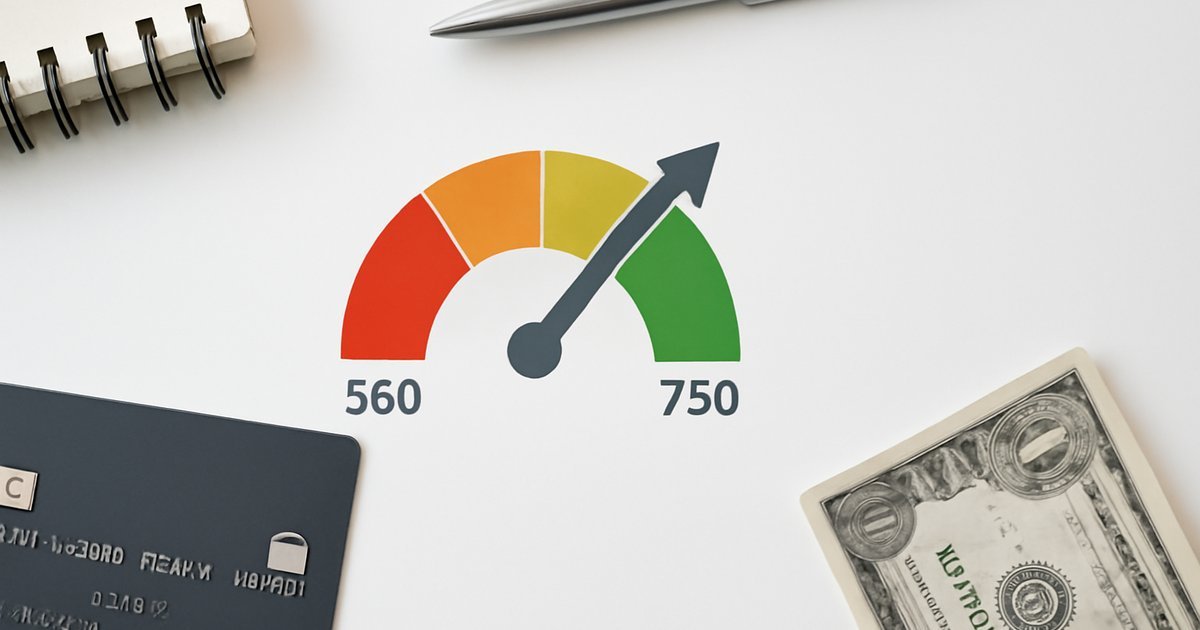

  • Best Credit Cards to Build Credit Fast in 2026

    Best Credit Cards to Build Credit Fast in 2026

    Best Credit Cards to Build Credit Fast in 2026

    The right credit card can add 50+ points to your credit score in under 12 months — if you use it strategically.

    Why Building Credit Still Matters in 2026

    According to the Consumer Financial Protection Bureau (CFPB), roughly 26 million Americans are considered "credit invisible" — meaning they have no usable credit history with the major bureaus. Millions more have thin files or damaged scores that make borrowing expensive or nearly impossible.

    If you’ve been turned down for an apartment, charged sky-high rates on a car loan, or denied a mortgage, your credit score was likely the reason. A score below 620 can cost you tens of thousands of dollars in extra interest over a lifetime.

    The good news? A credit card — used correctly — remains one of the fastest and most accessible tools for building or rebuilding credit in the US. In this guide, you’ll learn exactly which types of credit cards work best for building credit, how to evaluate them, and how to use them without falling into debt traps.

    Whether you’re starting fresh at 30, recovering from a financial setback, or helping a young family member establish credit, this article walks you through every step.

    What Does "Building Credit" Actually Mean?

    Your credit score — most commonly the FICO score, which ranges from 300 to 850 — is calculated using five factors, according to the Fair Isaac Corporation:

    • Payment history (35%): Do you pay on time?
    • Amounts owed / Credit utilization (30%): How much of your available credit are you using?
    • Length of credit history (15%): How long have your accounts been open?
    • Credit mix (10%): Do you have different types of credit?
    • New credit (10%): How often do you apply for new credit?

    A credit card directly impacts four of those five categories. It reports to all three major credit bureaus — Equifax, Experian, and TransUnion — every month, giving you regular "proof of responsible behavior."

    Building credit simply means creating a consistent track record that tells lenders: this person pays their bills and doesn’t overextend themselves. That’s it. No tricks, no loopholes.

    Key Benefits of Using a Credit Card to Build Credit

    The Federal Reserve’s 2024 Report on the Economic Well-Being of US Households found that consumers with credit scores above 720 were significantly more likely to be approved for loans and to receive favorable interest rates. The financial gap between good and poor credit is staggering.

    Here’s what building your credit through a card can realistically deliver:

    Lower Borrowing Costs

    The difference between a 620 and a 760 credit score on a $300,000 30-year mortgage can exceed $90,000 in total interest payments, according to data from myFICO. That’s not a rounding error — that’s a real financial outcome tied directly to your score.

    Better Rental and Employment Prospects

    Many landlords in major US cities now pull credit reports as part of the application process. Some employers — especially in finance and security-related roles — check credit history too. A thin or damaged credit file can close doors before you even get a chance.

    Access to Premium Financial Products

    Once your score crosses the 700 threshold, you’ll qualify for rewards cards with sign-up bonuses, lower-rate personal loans, and competitive auto financing. Think of building credit as unlocking better versions of every financial product you’ll use for the rest of your life.

    Emergency Financial Flexibility

    In a crisis — job loss, medical bill, home repair — a credit card with a meaningful credit limit gives you flexibility that a debit card simply can’t match. That flexibility costs you nothing if you pay your balance in full each month.

    Types of Credit Cards That Build Credit Fast

    Not all credit cards are equally useful for credit-building. Here are the main categories, with honest pros and cons for each:

    1. Secured Credit Cards

    A secured card requires a cash deposit — typically $200 to $500 — which becomes your credit limit. That deposit protects the issuer if you don’t pay. In exchange, you get a card that reports to all three bureaus just like a regular card.

    Best for: No credit history, credit scores below 580, recent bankruptcies
    Typical deposit: $200–$2,500
    Upgrade path: Many issuers (Discover, Capital One) will automatically review your account after 6–12 months and may return your deposit when you qualify for an unsecured card

    The Discover it® Secured card, for instance, has no annual fee and even earns cash back — a rare feature in the secured card space. Capital One’s Secured Mastercard allows some applicants to start with a $200 limit for just a $49 or $99 deposit, depending on creditworthiness.

    2. Student Credit Cards

    Designed for college students with limited income and no credit history, student cards are unsecured (no deposit required) and typically easier to qualify for than standard cards.

    Best for: Full-time students aged 18–22, thin credit files
    Key feature: No or low annual fee, small credit limits ($500–$1,500), often include rewards

    Under the Credit CARD Act of 2009, applicants under 21 must show independent income or have a co-signer. Most major issuers — Chase, Discover, Bank of America — offer dedicated student versions of their flagship cards.

    3. Credit-Builder Cards (Unsecured)

    Some issuers offer unsecured cards specifically for people with fair or limited credit (scores of 580–669). These cards don’t require a deposit but usually carry higher APRs and lower limits.

    Best for: Fair credit, recent immigrants, people with a few negative marks
    Watch out for: High APRs (24%–36%), potential annual fees, low initial limits

    Cards like the Capital One Platinum and the Petal® 1 Visa fall into this category. The Petal 1 uniquely uses cash flow data (bank account history) instead of relying solely on your credit score — a significant advantage for thin-file applicants.

    4. Retail / Store Cards

    Store-branded cards (Target RedCard, Amazon Store Card) are often easier to get approved for and report to the bureaus. However, they come with high APRs and limited usability.

    Best for: Supplementing your credit mix — not as a primary card
    Avoid: Using them for large purchases you can’t pay off immediately

    Step-by-Step: How to Use a Credit Card to Build Credit

    Having the right card is only half the battle. How you use it determines how fast your score improves. Follow these steps consistently:

    Step 1: Apply for the Right Card Based on Your Current Score

    Check your credit score for free through AnnualCreditReport.com or through services like Credit Karma before applying. Each hard inquiry can temporarily drop your score by 5–10 points, so apply strategically.

    • No score or score below 580 → Secured card
    • Score 580–669 → Credit-builder unsecured card or secured card
    • Score 670+ → Standard rewards card with no annual fee

    Step 2: Use It for Small, Recurring Expenses Only

    Put one or two fixed monthly expenses on your card — streaming services, gas, or a phone bill. This keeps spending predictable and avoids overspending. You don’t need a high balance to build credit.

    Step 3: Keep Your Utilization Below 10%

    Credit utilization — how much of your available limit you’re using — is one of the biggest score factors. If your limit is $500, keep your reported balance below $50. Most experts recommend staying under 30%, but under 10% is where scores typically jump fastest.

    Pro tip: Ask your issuer what date they report to the bureaus. Pay your balance before that date, not just before your due date.

    Step 4: Pay the Full Statement Balance Every Month

    This is non-negotiable. Carrying a balance does NOT help your credit score — that’s a common myth. It only costs you interest. Pay in full, on time, every single month. Set up autopay for the statement balance to remove human error.

    Step 5: Request a Credit Limit Increase After 6–12 Months

    A higher limit lowers your utilization ratio without requiring you to change your spending. Most issuers allow limit increase requests after 6 months of responsible use. Some, like American Express and Discover, do soft pulls (no score impact) for limit increase reviews.

    Step 6: Don’t Close Old Accounts

    Length of credit history matters. Even if you move on to a better card, keep your original account open (assuming no annual fee). A closed account shortens your average account age and can lower your score.

    Costs, Fees, and Risks to Know Before You Apply

    Building credit with a card is powerful — but it comes with real financial risks if you’re not careful.

    Annual Fees

    Some credit-builder cards charge $25–$99 per year. Always calculate whether the credit-building benefit justifies the fee. For most people starting out, a $0 annual fee card (like Discover it Secured) is the better choice.

    High APRs

    Credit-builder cards routinely carry APRs of 24%–36% — well above the national average of around 21% for all credit cards, per the Federal Reserve’s most recent data. If you carry a balance even once, the interest charges can snowball quickly.

    Rule of thumb: If you can’t pay off the balance in full, don’t charge it to the card.

    Penalty APRs and Late Fees

    One missed payment can trigger a penalty APR as high as 29.99% and a late fee of up to $41 (the current CFPB-regulated maximum). Worse, a payment 30 days late gets reported to the bureaus and can drop your score by 60–110 points — undoing months of progress instantly.

    Deposit Risk (Secured Cards)

    Your security deposit is held by the issuer. If the bank fails or has issues, your deposit is protected by FDIC insurance up to $250,000 — but you should always verify the issuer is FDIC-insured before applying.

    Common Mistakes That Slow Down Credit Building

    Mistake 1: Maxing Out the Card

    Spending up to your credit limit — even if you plan to pay it off — dramatically spikes your utilization ratio when the issuer reports to the bureaus mid-cycle. Stay well below your limit at all times. This single mistake can keep a score stuck for months.

    Mistake 2: Applying for Multiple Cards at Once

    Every application triggers a hard inquiry. Applying for three cards in a single month signals financial stress to lenders and can drop your score by 15–30 points. Apply for one card, use it well for 6–12 months, then consider adding another.

    Mistake 3: Closing Your First Card Once You Upgrade

    When you graduate from a secured card to an unsecured card, many people close the original account. This shortens your credit history and removes available credit — both of which hurt your score. Keep the original card open with a small recurring charge on it.

    Mistake 4: Paying Only the Minimum

    Paying only the minimum balance keeps you out of delinquency but doesn’t help your score any more than paying in full — and it costs you significant interest. On a $500 balance at 29% APR, paying the minimum only adds up to years of debt and hundreds in interest charges.

    Mistake 5: Ignoring Your Credit Reports

    Errors on credit reports are more common than most people realize. The FTC has found that roughly 1 in 5 Americans has an error on at least one bureau report. Dispute any inaccuracies at AnnualCreditReport.com using the formal dispute process — errors can suppress your score significantly.

    Alternatives to Credit Cards for Building Credit

    A credit card isn’t the only tool available. Depending on your situation, these alternatives may complement or even replace card use:

    Credit-Builder Loans

    Offered by credit unions and fintechs like Self (formerly Self Lender), these are small loans where the proceeds are held in a savings account while you make monthly payments. Once paid off, you receive the funds. The payments report to the bureaus and build payment history without access to revolving credit. Ideal if you’re worried about overspending on a card.

    Becoming an Authorized User

    Ask a trusted family member with a strong credit history to add you as an authorized user on their credit card account. Their positive payment history and utilization can appear on your credit report — sometimes boosting your score by 20–50 points with no action required on your part. You don’t even need to use the card.

    This pairs especially well with other strategies. If you’re also exploring travel rewards, check out our guide to the Best Travel Rewards Credit Cards for cards worth getting added to as an authorized user.

    Experian Boost

    This free tool from Experian lets you add utility, phone, and streaming payment history to your Experian credit file. It only affects your Experian score, not Equifax or TransUnion, but for some thin-file consumers it can add 10–20 points quickly. If you’re considering debt consolidation alongside credit building, our breakdown of Balance Transfer Credit Cards explains how to use low-APR offers strategically.

    Frequently Asked Questions

    How long does it take to build credit with a credit card?

    Most people see a meaningful score increase — 40 to 80 points — within 6 to 12 months of consistent, on-time payments and low utilization. Going from no credit to a 700+ score typically takes 12 to 24 months. Results vary based on your starting point and how many negative marks (if any) are on your file.

    Will a secured card show up as "secured" on my credit report?

    Generally speaking, secured cards are reported as revolving credit accounts — the same way unsecured cards are. Most issuers don’t flag the account as "secured" in the credit report, so it looks identical to any other credit card. This means it carries the same credit-building power.

    Can I build credit without spending much money?

    Yes. You only need to charge a small, regular amount — such as a $15/month streaming subscription — to keep the account active and reporting. Pay it in full when the statement closes. You’ll build credit with almost no out-of-pocket cost beyond the card’s potential annual fee.

    What credit score do I need to apply for a credit-builder card?

    It depends on the card type. Secured cards typically have no minimum credit score requirement — even applicants with scores in the 500s or no score at all are often approved. Unsecured credit-builder cards generally require a score of at least 580. Student cards may approve applicants with thin files and no score if they can show income.

    Does carrying a balance help build credit faster?

    No — this is one of the most persistent myths in personal finance. Carrying a balance does not boost your credit score. It only costs you interest. The bureaus see that you have an active account with on-time payments regardless of whether you carry a balance. Always pay in full to avoid interest charges entirely.

    The Bottom Line: Build Credit Intentionally, Not Accidentally

    Building credit isn’t complicated — but it does require consistency and discipline. The right credit card, used strategically, is one of the most powerful financial tools available to any American adult at any income level.

    Start with a secured card if your score is low or nonexistent. Use it only for small, predictable expenses. Pay the full balance every single month. Keep utilization under 10%. Then, after 6 to 12 months, review whether you’re ready to upgrade or add another card to your wallet.

    Once your score crosses 700, you unlock a completely different tier of financial products — lower mortgage rates, better insurance premiums, and premium rewards cards that pay you back for spending you’d make anyway. If you’re also planning for your financial future, pairing smart credit use with smart investing — such as contributing to a Roth IRA or Traditional IRA — compounds the long-term impact significantly.

    The most important step is the first one. Pick a card that fits your current situation, apply today, and start building the credit history that will save you money for decades.


    Financial Disclaimer: This article is for educational purposes only and does not constitute financial, tax, or investment advice. Always consult a licensed financial advisor, CPA, or attorney before making financial decisions.
  • Personal Loans for Bad Credit: How to Get Approved in 2026

    Personal Loans for Bad Credit: How to Get Approved in 2026

    Millions of Americans with credit scores below 630 still qualify for personal loans — but the terms, rates, and risks vary dramatically depending on where you look.

    Introduction

    According to Experian’s 2025 Consumer Credit Review, roughly 16% of Americans carry a FICO score below 580 — placing them in the “poor” credit category that most traditional lenders immediately reject. If you’ve been turned down by a bank or credit union because of past financial struggles, you’re not alone, and you’re not out of options.

    Bad credit personal loans exist specifically for borrowers who can’t meet the strict standards of conventional lenders. But they come with real trade-offs: higher interest rates, lower loan limits, and in some cases, predatory terms you need to watch out for.

    This guide walks you through exactly how personal loans for bad credit work in the US, what you’ll realistically qualify for, how to get the best possible terms, and the costly mistakes you need to avoid. Whether you need $1,500 for a car repair or $10,000 to consolidate high-interest debt, understanding this market before you apply can save you thousands of dollars.

    What Is a Personal Loan for Bad Credit?

    A personal loan for bad credit is an unsecured or secured installment loan offered to borrowers with FICO scores typically below 630. Unlike a credit card, you receive a lump sum upfront and repay it in fixed monthly payments over a set term — usually 12 to 60 months.

    The term “bad credit” generally refers to FICO scores in these ranges, according to myFICO:

    • Poor: 300–579
    • Fair: 580–669
    • Good: 670–739

    Most bad credit lenders target the 550–669 range. Some specialty lenders will work with scores as low as 500, though those loans come with the highest rates and fees.

    These loans are offered by online lenders, credit unions, community banks, and fintech platforms. They are generally not offered at favorable terms by major national banks like Chase or Bank of America, which typically require scores of 670 or higher.

    Who needs these loans? People dealing with medical debt, job loss, divorce, or a history of late payments — situations that damaged their credit but don’t necessarily reflect their current financial reality.

    Key Benefits of Personal Loans for Bad Credit

    Bad credit personal loans aren’t ideal products — but they do offer real advantages compared to the alternatives.

    1. Fixed payments make budgeting easier. Unlike revolving credit card debt, a personal loan locks in your payment amount from day one. If you borrow $5,000 at 24% APR over 36 months, your payment is a predictable $197/month — every month, no surprises.

    2. They can break the debt cycle. Many borrowers use bad credit personal loans to pay off payday loans or high-rate credit cards. If you’re carrying a payday loan at 400% APR, even a personal loan at 29% APR is a dramatic improvement. For a deeper look at using personal loans strategically to eliminate debt, see our guide on Balance Transfer Credit Cards: How to Pay Off Debt Faster.

    3. Credit-building opportunity. When you make on-time payments, your payment history — the single largest factor in your FICO score at 35% — improves. According to Experian, consistent on-time payments on an installment loan can raise a fair-credit score by 40–80 points over 12 months.

    4. Fast funding. Many online bad credit lenders fund loans within 1–2 business days after approval. For urgent expenses like car repairs, medical co-pays, or utility disconnection notices, this speed matters.

    5. No collateral required in most cases. Most bad credit personal loans are unsecured, meaning you don’t risk losing your car or home if something goes wrong. Secured options do exist if you want a lower rate — but most borrowers choose unsecured.

    How to Get Started: A Step-by-Step Approach

    Getting a personal loan with bad credit requires more preparation than applying with good credit. Here’s how to maximize your approval odds and minimize your cost:

    1. Check your credit score for free. Use AnnualCreditReport.com (mandated by federal law under the Fair Credit Reporting Act) to pull all three bureau reports at no cost. Know your exact score before you apply — different lenders use different bureau data.
    2. Dispute any errors on your report. The CFPB reports that 1 in 5 Americans has an error on at least one credit report. Even a single incorrect late payment can drop your score 60–80 points. Dispute errors with each bureau individually — by law, they must investigate within 30 days.
    3. Calculate your debt-to-income ratio (DTI). Lenders look at your DTI — total monthly debt payments divided by gross monthly income. Most bad credit lenders want to see DTI below 45%. If your DTI is 50% or higher, paying down even one small debt first can open more doors.
    4. Use pre-qualification tools. Most reputable online lenders (LendingClub, Upstart, Avant, OneMain Financial) offer soft-pull pre-qualification. This lets you see estimated rates and terms without any impact to your credit score. Do this with 3–5 lenders before submitting a formal application.
    5. Compare APRs — not just monthly payments. A lender showing you a low monthly payment might be stretching your loan to 60 months, which means you pay far more total interest. Always compare the total cost of the loan, not just the monthly number.
    6. Consider a co-signer or secured loan. If a trusted family member with good credit agrees to co-sign, you may qualify for significantly lower rates. Alternatively, a secured personal loan — backed by a savings account or CD — typically offers rates 5–10 percentage points lower than unsecured options.
    7. Submit your formal application. Once you’ve chosen a lender, submit your application with required documents: government-issued ID, proof of income (pay stubs, tax returns, or bank statements), and proof of address. Most online lenders complete this digitally in under 15 minutes.

    Costs, Fees, and Risks You Must Understand

    This is the section most lenders don’t emphasize enough. Personal loans for bad credit are expensive — and some are downright dangerous. Here’s what you’re actually paying:

    Interest rates: According to the Federal Reserve’s Consumer Credit data, the average personal loan APR for borrowers with poor credit ranges from 22% to 36% — with some lenders going as high as 99% APR in states that allow it. For comparison, borrowers with excellent credit pay 9–12% APR on average.

    Origination fees: Many lenders charge 1%–8% of the loan amount upfront. On a $10,000 loan, an 8% origination fee means you receive only $9,200 but repay the full $10,000 plus interest. Always calculate whether the APR quoted already includes this fee (a true APR does; a stated interest rate often does not).

    Prepayment penalties: Some lenders charge a fee if you pay off your loan early. In a best-case scenario, you’re penalized for being financially responsible. Always ask specifically whether there’s a prepayment penalty before signing.

    Late payment fees: Typically $15–$40 per late payment, or 5% of the overdue amount. A single missed payment can also trigger a credit score drop of 60–110 points, according to myFICO.

    Impact of default: If you default, the debt may be sold to a collection agency. A collection account stays on your credit report for 7 years and can drop your score by 100+ points. In some cases, lenders may pursue a civil judgment, potentially garnishing wages depending on your state’s laws.

    Before taking any bad credit personal loan, use a loan calculator to compute the total repayment amount. A $5,000 loan at 32% APR over 48 months costs you approximately $8,200 total — $3,200 in interest alone. Make sure you genuinely need the loan and have a realistic repayment plan.

    Common Mistakes to Avoid

    The bad credit loan space attracts predatory operators. These are the mistakes that cost borrowers the most:

    Mistake 1: Accepting the first offer without comparison shopping. Rates on bad credit personal loans vary enormously between lenders. Avant might offer you 28% APR while Upstart — using AI underwriting that factors in education and employment — might offer 19% for the same borrower profile. Failing to compare is the single most expensive mistake in this space. Always get at least 3 pre-qualification quotes.

    Mistake 2: Ignoring the origination fee in your cost calculation. A lender advertising “19% APR” with a 6% origination fee has an effective cost higher than a lender advertising “22% APR” with no origination fee on shorter-term loans. Always look at the total dollar amount you’ll repay — not just the stated rate.

    Mistake 3: Borrowing more than you need. Lenders may approve you for $15,000 when you only need $6,000. Taking the full approved amount feels tempting, but every extra dollar costs you more in interest and raises your DTI, making future borrowing harder. Borrow only what you need to solve the specific problem in front of you.

    Mistake 4: Falling for guaranteed approval scams. No legitimate lender can legally guarantee loan approval without reviewing your creditworthiness. The FTC warns that “guaranteed approval” or “no credit check” loan ads are frequently tied to upfront fee scams. Legitimate lenders never ask for payment before disbursing funds. Report these to the CFPB at consumerfinance.gov.

    Mistake 5: Using a bad credit personal loan to fund non-essential expenses. Taking a 29% APR loan to pay for a vacation or luxury purchase is a financially damaging decision. These loans make sense for urgent, necessary expenses — medical bills, emergency car repairs, critical home repairs — not discretionary spending.

    Alternatives to Consider Before Applying

    A bad credit personal loan isn’t always the right answer. Depending on your situation, one of these alternatives may be less expensive or more appropriate:

    1. Credit union personal loans. If you’re a member of a federal credit union, you may qualify for a Payday Alternative Loan (PAL) — a federally regulated product with APRs capped at 28% and loan amounts up to $2,000. Credit unions also tend to use more holistic underwriting than online lenders, which can work in your favor. Find a credit union through the National Credit Union Administration (NCUA) locator at mycreditunion.gov.

    2. Secured personal loans. If you have a savings account, CD, or even a car title (in states where applicable), using it as collateral can dramatically reduce your rate. Rates on savings-secured loans at credit unions can run as low as 8–12% APR — a fraction of what unsecured bad credit loans cost. The risk is losing the collateral if you default, so only consider this if you’re confident in your repayment ability.

    3. 0% intro APR credit cards (for fair credit). If your score is in the 580–630 range, some issuers offer cards with promotional 0% APR periods. If you can repay the full balance within the promotional window (typically 12–15 months), this is a significantly cheaper option than a personal loan. For a detailed comparison of this approach, read our guide on Balance Transfer Credit Cards: How to Pay Off Debt Faster.

    4. Borrowing from family or friends. Uncomfortable but often the cheapest option if it’s available to you. To protect the relationship, document the loan terms in writing — loan amount, interest (even 0%), and a repayment schedule. IRS rules require interest on family loans above $10,000 to meet the Applicable Federal Rate (AFR) to avoid gift tax complications.

    5. Employer-based pay advances. Many US employers, especially larger companies, now offer on-demand pay or salary advances through platforms like DailyPay or PayActiv. These are typically fee-based but cost far less than a bad credit loan for a short-term cash need.

    Frequently Asked Questions

    Q: What credit score do I need to get a personal loan for bad credit?
    Most bad credit lenders work with scores as low as 550–580. A few specialty lenders and credit unions will consider scores below 550, but rates will be highest in that range. Lenders also weigh income, employment stability, and DTI — so a low score alone doesn’t automatically disqualify you.

    Q: Will applying for a personal loan hurt my credit score?
    A soft-pull pre-qualification does not affect your score. A formal application triggers a hard inquiry, which typically drops your score by 5–10 points temporarily. The impact fades within 12 months, and making on-time payments on the loan will more than offset it over time.

    Q: How much can I borrow with bad credit?
    Most bad credit lenders cap loan amounts between $1,000 and $10,000 for new borrowers with poor credit. Some lenders like OneMain Financial and Avant go up to $20,000–$25,000 for borrowers in the fair credit range with strong income. Higher amounts generally require better scores and lower DTI ratios.

    Q: How long does it take to get funded after approval?
    Most online lenders fund within 1–3 business days of final approval. Some (Avant, LendingPoint) advertise next-business-day funding. Traditional banks and credit unions may take 5–7 business days. If speed is critical, prioritize online lenders with a history of fast disbursement.

    Q: Can a personal loan actually help me rebuild my credit?
    Yes — if you make every payment on time. Payment history is 35% of your FICO score. A 24-to-36-month personal loan, paid consistently, creates a strong positive payment record. Some lenders also report to all three bureaus (Equifax, Experian, TransUnion), which maximizes the credit-building benefit. Confirm this with your lender before applying.

    Conclusion

    A personal loan for bad credit can be a legitimate financial tool — or an expensive trap — depending entirely on how you use it and what you agree to. The borrowers who come out ahead are the ones who do their homework: checking multiple lenders, reading the fine print on fees, borrowing only what they truly need, and committing to on-time payments that gradually rebuild their credit profile.

    If you’re exploring personal loans as part of a broader financial recovery plan, it may also be worth revisiting your overall debt strategy. Our guide on Personal Loans for Medical Bills covers additional scenarios where structured borrowing makes sense.

    The next step is simple: pull your free credit report, run pre-qualification on 3–5 lenders, and compare the total repayment cost — not just the monthly payment. Knowledge is your best leverage in a market that doesn’t always have your best interests at heart.

    Financial Disclaimer: This article is for educational purposes only and does not constitute financial, tax, or investment advice. Always consult a licensed financial advisor, CPA, or attorney before making financial decisions.

  • Personal Loans for Debt Consolidation: Complete Guide

    Personal Loans for Debt Consolidation: Complete Guide

    Turn Multiple Debts Into One Manageable Payment

    Americans carrying high-interest debt can save thousands by consolidating — if they do it the right way.

    Introduction

    According to the Federal Reserve’s 2025 Consumer Credit Report, the average American household carrying revolving credit card debt owes more than $7,200 — at interest rates often exceeding 22% APR. If you’re juggling three, four, or five different monthly payments across credit cards, medical bills, and store accounts, you already know how draining and disorganized it feels.

    A personal loan for debt consolidation is one of the most practical tools available to working Americans who want to simplify their finances and potentially lower the total interest they pay over time. But it’s not a magic fix — it requires discipline, the right credit profile, and a clear understanding of the terms.

    In this guide, you’ll learn exactly how debt consolidation loans work, what they cost, how to qualify, and the mistakes that could make your situation worse instead of better. Whether you’re managing credit card debt, medical bills, or a mix of both, this article gives you the specific, grounded information you need to make a smart decision.

    What Is a Personal Loan for Debt Consolidation?

    A personal loan for debt consolidation is an unsecured loan — meaning no collateral required — that you use to pay off multiple existing debts. Instead of making five separate minimum payments every month, you make one fixed monthly payment to a single lender at a (hopefully) lower interest rate.

    Here’s how the basic mechanics work: you apply for a personal loan large enough to cover your combined balances, the lender deposits funds into your account (or pays your creditors directly), and you repay the new loan over a fixed term — typically 24 to 84 months.

    Who does this apply to? Generally speaking, this strategy works best for people who:

    • Have a credit score of 650 or higher (though some lenders go lower)
    • Are carrying high-interest credit card balances (18%–29% APR)
    • Have a steady income to support a fixed monthly payment
    • Are committed to not running those cards back up after consolidation

    Unsecured personal loans differ from home equity loans or balance transfer cards — two alternatives we’ll cover later. The key advantage here is simplicity and predictability: fixed rate, fixed term, fixed payment.

    Key Benefits of Consolidating Debt With a Personal Loan

    According to Bankrate’s 2026 lending data, borrowers with good credit (700+) can qualify for personal loan rates as low as 10%–14% APR — compared to the national average credit card rate of over 22%. That gap is where the savings live.

    Let’s put real numbers on it. Say you have $15,000 spread across four credit cards averaging 23% APR. At minimum payments, you could spend over 10 years paying that off and pay more than $12,000 in interest alone.

    Consolidate that same $15,000 into a personal loan at 13% APR over 48 months, and your total interest paid drops to roughly $4,300 — saving you nearly $8,000. Your monthly payment becomes fixed and predictable instead of fluctuating with your balances.

    Additional benefits include:

    • Credit score improvement: Paying off revolving credit card balances lowers your credit utilization ratio, which accounts for about 30% of your FICO score
    • Reduced financial stress: Managing one payment is significantly easier than tracking multiple due dates
    • Fixed payoff timeline: Unlike credit cards with no end in sight, a personal loan has a clear finish line
    • Potential credit mix benefit: Adding an installment loan to a credit profile heavy on revolving accounts can modestly improve your score over time

    That said, the benefits only materialize if you qualify for a rate meaningfully lower than your current average — and if you change the spending habits that got you into debt in the first place.

    How to Get Started: Step-by-Step

    Taking the right steps in the right order significantly improves your odds of qualifying for the best available rate.

    1. Calculate your total debt and average APR. Add up every balance you want to consolidate. Then find the average interest rate across all accounts. This is your benchmark — your personal loan must beat this number to make financial sense.
    2. Check your credit score for free. Use AnnualCreditReport.com (the only federally authorized free credit report site) or check through your bank or credit card issuer. Most lenders use FICO Score 8 or VantageScore 3.0. Scores of 670+ typically unlock competitive rates; 750+ gives you the best offers.
    3. Get pre-qualified with multiple lenders. Pre-qualification uses a soft credit inquiry — it doesn’t hurt your score. Apply with at least 3–5 lenders: your current bank, a credit union, and online lenders such as LightStream, SoFi, Discover, or Upstart. Compare the actual APR, not just the advertised rate.
    4. Review the full loan terms. Look at the origination fee (typically 1%–8% of the loan amount), prepayment penalties (rare but worth checking), and the monthly payment relative to your income.
    5. Choose a lender and formally apply. This triggers a hard credit inquiry, which may temporarily drop your score 5–10 points. If you submit multiple formal applications within a 14–45 day window, credit bureaus typically count them as a single inquiry under rate-shopping rules.
    6. Use the funds exclusively to pay off debt. Some lenders pay creditors directly — this is ideal. If funds come to you, transfer them immediately to pay off your balances. Do not use the cash for other expenses.
    7. Set up autopay for your new loan. Many lenders offer a 0.25%–0.50% APR discount for autopay. More importantly, it eliminates the risk of a missed payment.

    Costs, Fees, and Risks You Need to Know

    The IRS doesn’t allow you to deduct interest on personal loans used for debt consolidation (unlike mortgage interest), so what you see in your loan agreement is the true cost. Transparency here is critical before you sign anything.

    Origination fees: Many lenders charge 1%–8% of the loan amount upfront — deducted from your proceeds. On a $15,000 loan with a 5% origination fee, you receive $14,250 but owe $15,000. Factor this into your true cost calculation.

    Prepayment penalties: Rare with personal loans but not unheard of. Confirm before signing that you can pay off the loan early without a fee if your financial situation improves.

    Higher monthly payment than minimums: Your new fixed payment will likely be higher than the combined minimum payments you were making on your credit cards. This is actually a good thing — you’re paying debt down faster — but you need to ensure it fits your budget.

    Risk of accumulating new debt: This is the most significant danger. If you consolidate $15,000 in credit card debt into a personal loan and then charge those cards back up, you now owe $30,000. Debt consolidation only works if you close or freeze the paid-off accounts, or exercise strict discipline.

    Variable income risk: A fixed monthly payment is a fixed obligation. If you’re self-employed or in a commission-based role with variable income, make sure you can realistically cover the payment in a slow month. For backup resources, our guide on how to build an emergency fund can help you create a cushion before taking on a new loan commitment.

    Common Mistakes to Avoid

    Most people who regret a debt consolidation loan made one of these errors — and they’re all avoidable.

    Mistake #1: Not comparing enough lenders. The difference between the best and worst personal loan offers for the same borrower can exceed 10 percentage points in APR. Someone borrowing $12,000 at 16% APR versus 26% APR over 48 months pays roughly $2,700 more in interest just by choosing the wrong lender. Always get at least three quotes.

    Mistake #2: Ignoring the origination fee in the true cost calculation. A loan advertised at 11% APR with a 6% origination fee might actually cost more than a 13% APR loan with no origination fee, depending on the term. Use the loan’s APR (which legally must include fees under the Truth in Lending Act) as your primary comparison metric.

    Mistake #3: Extending the term too far to lower the monthly payment. Stretching a $10,000 debt from 36 months to 84 months drops your monthly payment — but nearly doubles the total interest you pay. Only extend the term as far as necessary to make the payment manageable, not to create more breathing room for discretionary spending.

    Mistake #4: Consolidating debt you could pay off quickly anyway. If you have a $2,000 balance you could clear in four months with focused effort, folding it into a 60-month loan makes no sense. Reserve consolidation for debts that genuinely need a long repayment runway.

    Mistake #5: Not addressing the root cause. A personal loan doesn’t fix overspending, income gaps, or a missing budget. Before consolidating, spend 30 days tracking every dollar. If you can’t identify why the debt accumulated, a consolidation loan is likely to be a temporary fix followed by a worse situation.

    Alternatives to Consider

    Depending on your situation, a personal loan might not be the best path. Here are three alternatives worth evaluating:

    1. Balance Transfer Credit Card (0% Introductory APR)
    If your credit score is 720 or above, you may qualify for a card offering 0% APR for 15–21 months on transferred balances. The transfer fee is typically 3%–5% of the balance — far lower than a year’s worth of 22% interest. The risk: if you don’t pay off the balance before the promotional period ends, the remaining balance reverts to a standard rate of 19%–29% APR. This option works best for disciplined borrowers with moderate balances ($5,000–$10,000) who can realistically pay off within the intro window. You can review some of the best credit card options available to compare rewards and balance transfer features.

    2. Home Equity Loan or HELOC (for homeowners)
    If you own a home with significant equity, a home equity loan or home equity line of credit (HELOC) typically offers much lower interest rates — often 8%–11% APR as of 2026. The downside is serious: your home secures the loan. Miss payments, and you risk foreclosure. This is generally not recommended for consolidating unsecured consumer debt unless you have an extremely disciplined financial plan and stable income.

    3. Nonprofit Credit Counseling / Debt Management Plan (DMP)
    If your credit score is too low to qualify for a competitive personal loan rate, a nonprofit credit counseling agency (look for NFCC-accredited organizations) can negotiate reduced interest rates with your creditors and set up a structured repayment plan — typically 3–5 years. There’s usually a modest monthly fee ($25–$50), but this can be a lifeline if you don’t qualify for conventional lending. Unlike debt settlement, a DMP doesn’t damage your credit score.

    Frequently Asked Questions

    Does applying for a debt consolidation loan hurt my credit score?
    The formal application triggers a hard inquiry, which may temporarily lower your score by 5–10 points. However, once you use the loan to pay off credit card balances, your credit utilization typically drops significantly — which can increase your score by 20–50+ points depending on your starting utilization. In most cases, the net effect is positive within 3–6 months.

    What credit score do I need to qualify for a debt consolidation loan?
    Most mainstream lenders require a minimum score of 620–640. However, to access rates competitive enough to actually save you money (generally under 15% APR), you’ll want a score of 680 or higher. Borrowers with scores above 750 typically qualify for the lowest available rates.

    How long does it take to get funded?
    Online lenders like SoFi and LightStream often fund within 1–3 business days after approval. Traditional banks and credit unions may take 5–7 business days. Some lenders offer same-day or next-day funding for well-qualified borrowers.

    Should I close my credit cards after consolidating?
    This depends on your situation. Closing old accounts reduces your total available credit and can shorten your average credit history length — both of which can temporarily lower your score. A middle-ground approach: keep the accounts open but cut up the cards, or freeze them (literally, in a block of ice) to remove the temptation of using them.

    Can I include medical debt, student loans, or auto loans in a consolidation?
    Medical debt can generally be consolidated with a personal loan. Federal student loans should not be consolidated into a private personal loan — you’d lose access to income-driven repayment plans, forgiveness programs, and federal deferment options. Auto loans are secured debt (the car is collateral); consolidating them into an unsecured personal loan may cost more and lose the collateral protection. Focus consolidation on high-interest unsecured consumer debt: primarily credit cards and medical bills.

    Conclusion: Is a Debt Consolidation Loan Right for You?

    A personal loan for debt consolidation can be a genuinely powerful financial tool — but it only works when three conditions are met: you qualify for a rate meaningfully lower than your current debt, you have a realistic plan to make the fixed monthly payment, and you address the habits or circumstances that led to the debt accumulation.

    For most working Americans carrying $5,000–$40,000 in high-interest credit card debt, the math often favors consolidation — the interest savings are real and substantial. The step that separates successful consolidators from those who end up deeper in debt is discipline after the loan closes.

    Start by pulling your free credit report, listing every balance and its current rate, and getting pre-qualified with at least three lenders. The information costs you nothing — and the potential savings could be in the thousands.

    As you build your overall financial foundation, you may also want to explore how a Roth IRA can help you grow wealth tax-free once your debt is under control — because managing debt and building wealth are two sides of the same financial equation.

    This article is for educational purposes only and does not constitute financial, tax, or investment advice. Always consult a licensed financial advisor, CPA, or attorney before making financial decisions.